Published on 1 May 2026 by Inspire to Change
Sometimes Known As
Role
Visionaries are daring, bold, and creative, constantly and consciously conjuring radical imagination to conceive what could be. They go beyond hoping and dreaming; they craft these visions into the fabric of the present, transforming what was once imagined into reality.
Jobs a Visionary Might Hold
Personality
Visionaries are fearless, innovative, and inspiring. They can think expansively—imagining radical possibilities. They also possess the resilience to foster hope and strength in those around them.
Skills
Radical Imagination: Imagining the world not as it is but as it might otherwise be.
Active Hope: Actively bringing about the hope for our world.

Forward-Thinking: Foreseeing a better future or innovative possibilities.
Inspiring: Helping others see and believe in a shared vision for the future.
Nemesis
The Rigidity of the Status Quo: Those who resist change, are reluctant to envision a different future, and cling to the familiar.
Frenemy
Planners: Will the visionary’s broad, innovative visions clash with the planner’s focus on detailed, structured plans?

Keepers: Will keepers view the radical changes proposed by visionaries as threats to the established order they seek to maintain?
Traps
Distraction by Vision: Visionaries must avoid letting the allure of their grand ideas prevent them from acknowledging present realities and the concrete steps necessary for realization.
Overpromising and Under-delivering: Visionaries should be wary of committing to optimistic outcomes without considering practical obstacles, as this can erode trust and support.
Resistance to Feedback: An attachment to their vision can make visionaries dismissive of constructive criticism, limiting their ability to adapt and refine their ideas based on valuable insights.
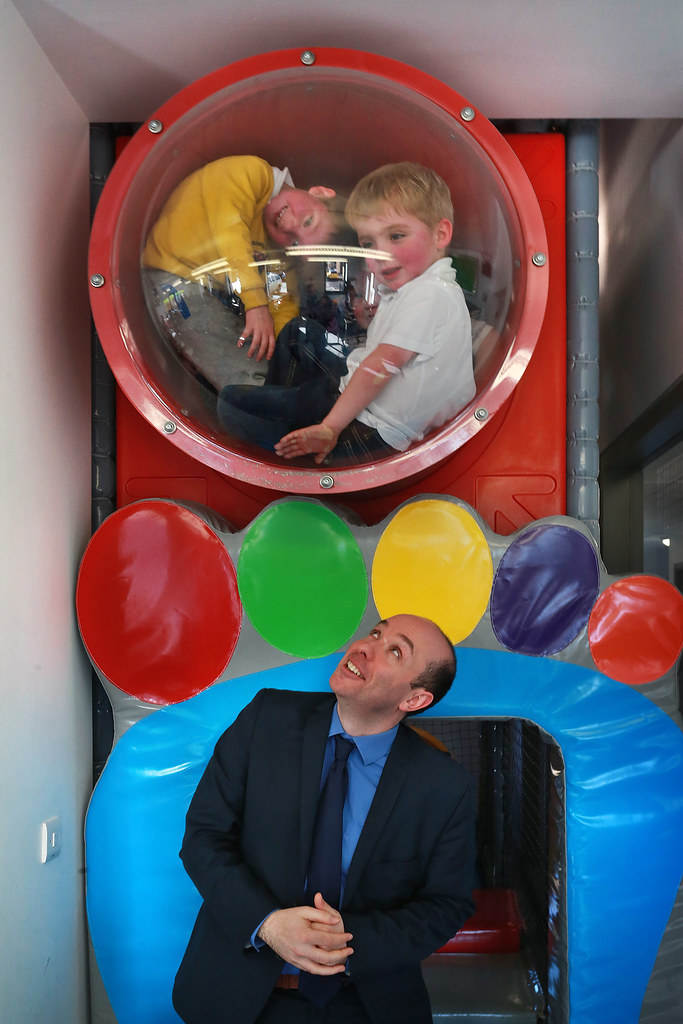
Visionaries inspire others to see and believe in a shared vision for the future. They foster an environment of co-creation where everyone feels ownership of the collective vision. This leadership style is vital for initiatives to adapt and thrive in an ever-evolving landscape.
Focus For The Visionary’s Inner Work: Sense of Presence
Visionaries, with their forward-leaning perspectives, often find themselves lost in future possibilities, occasionally overlooking the richness and demands of the present. To strike a harmonious balance, it's imperative for visionaries to cultivate a robust sense of presence. Through practices that ground them in the current moment, they can effectively juxtapose their forward-thinking visions with the realities and opportunities immediately before them.
On The Visionary’s Bookshelf
The Four Pivots: Reimagining Justice, Reimagining Ourselves by Shawn A. Ginwright. This enlightening read offers pathways for reorienting perspectives, emphasizing the synchronization of inner beliefs with external ambitions and actions.
The Power of Now: A Guide to Spiritual Enlightenment by Eckhart Tolle. An in-depth journey into the significance of being truly present, this text provides visionaries with tools to anchor themselves amidst their expansive dreams.
Active Hope: How to Face the Mess We're in Without Going Crazy by Joanna Macy and Chris Johnstone. A guide to navigating the challenges of our times with resilience, this book offers visionaries both a grounding presence and strategies for enacting meaningful change.
About The Visionary
Visionaries have a strong ability to see and understand the big picture and to imagine new and innovative possibilities for the future. They have a clear sense of purpose and direction and are driven by a desire to make a positive impact in the world. They tend to have strong intuitions and a deep understanding of the interconnectedness of all things―allowing them to see beyond the present and into the future.
Creative and imaginative, visionaries aren't afraid to think outside the box and take risks. They have a strong sense of curiosity and are always seeking new knowledge and inspiration to fuel their visions. They're also good communicators and express ideas and visions clearly and compellingly to inspire others to join them in creating a better future.
Visionaries are leaders who inspire and guide others towards a shared vision. They are good listeners, open-minded, and able to consider different perspectives and ideas. Because they can see the big picture, they understand how different pieces fit together to create a solution and can navigate complexity and take calculated risks to achieve their visions.
Visionaries In Real Life
From environmental pioneers to advocates for social justice, each individual on this list has demonstrated an extraordinary ability to foresee and shape a more equitable and sustainable future.
An American marine biologist and conservationist, Rachel Carson's pioneering work in environmental science, particularly her book Silent Spring, revolutionized the global environmental movement. Her visionary approach brought awareness to the dangers of chemical pesticides, leading to significant changes in environmental policies. Carson's ability to communicate complex scientific ideas in a compelling manner galvanized public and scientific communities alike, highlighting the interconnectedness of humans and the natural world.
A Nobel Peace Prize laureate, Shirin Ebadi is an Iranian lawyer and former judge who has been a leading figure in the struggle for women's and children's rights in Iran. Her visionary advocacy for democracy and human rights, often in the face of intense opposition, has had a profound impact on the global human rights movement. Ebadi's work exemplifies the power of standing up for justice and equality in challenging environments.
Martin Luther King Jr. was an American Baptist minister and civil rights leader who became an emblematic figure in the struggle against racial segregation and injustice in the United States. His visionary leadership, marked by a steadfast commitment to nonviolence and justice, galvanized a movement that fundamentally challenged and transformed societal attitudes and laws regarding race and equality. King's famous "I Have a Dream" speech, delivered during the 1963 March on Washington, epitomizes his profound ability to articulate a compelling vision of an inclusive and equitable society. His advocacy for civil rights, economic equality, and global peace earned him the Nobel Peace Prize and left an indelible mark on the course of American history. King's legacy endures in his inspiring and powerful rhetoric, his unyielding pursuit of justice, and his enduring influence on the ongoing fight for civil rights and social reform worldwide.
Quotes
"We tell people to follow their dreams, but you can only dream of what you can imagine, and, depending on where you come from, your imagination can be quite limited."
"Don't ask yourself what the world needs. Ask yourself what makes you come alive, and go do that, because what the world needs is people who have come alive."
The Visionary’s Journey: From Spark to Shared Reality
Every visionary begins with a moment of radical imagination—a flash of insight that challenges the status quo. But the journey from private vision to public reality is rarely linear. Visionaries often describe a period of incubation, where the idea is nurtured in solitude, tested against doubt, and refined through reflection. This phase is crucial; it is where the visionary learns to articulate the intangible, to give language and shape to what does not yet exist.
Once the vision is clear enough to share, the visionary steps into a role of public inspiration. They must translate their inner world into stories, images, and symbols that resonate with others. This requires not only creativity but also courage—the willingness to be misunderstood, to face skepticism, and to persist when the world is not yet ready. Visionaries often find that their greatest challenge is not conceiving the future but convincing others that it is possible.
The final stage of the journey is co-creation. A vision that remains the property of one person is a dream; a vision that is shared becomes a movement. Visionaries learn to invite others into the process, to let go of control, and to allow the vision to evolve as it is embraced by a community. This is where the visionary’s role shifts from sole creator to steward of a collective imagination.
How Visionaries Work: Practices and Rhythms
Visionaries often cultivate specific practices to keep their imaginative faculties sharp. Many engage in regular periods of unstructured thinking—long walks, journaling, or meditation—where the mind is free to wander beyond the constraints of the immediate. They also tend to be voracious consumers of diverse ideas, drawing inspiration from art, science, history, and culture to fuel their own creative synthesis.
Another key practice is the use of “possibility questions.” Instead of asking “What is wrong?” visionaries ask “What could be better?” or “What if we started from scratch?” This reframing opens up space for innovation and prevents the visionary from becoming trapped by existing paradigms. They also practice “backcasting”—starting from a desired future and working backwards to identify the steps needed to get there.
Rhythm matters too. Visionaries often alternate between intense periods of focused ideation and quieter times of integration. They understand that creativity cannot be forced, but it can be invited through consistent habits and an environment that supports experimentation and play.
The Visionary’s Relationship with Other Changemakers
In the ecosystem of change, visionaries play a unique role, but they do not work alone. They often partner with Builders, who turn bold ideas into tangible structures and systems. While the visionary asks “What if?”, the builder asks “How?” This partnership is essential; without builders, visions remain abstract, and without visionaries, builders may lack direction.
Visionaries also benefit from the grounding influence of Carers, who remind them of the human cost and emotional labor involved in change. Carers help visionaries stay connected to the present needs of people, ensuring that the future they imagine is inclusive and compassionate. Similarly, Catalysts can accelerate a visionary’s ideas, sparking rapid action and connecting the vision to networks of influence.
However, the visionary must be mindful of potential friction with Keepers (note: link to sibling page if exists, otherwise omit) who value stability and tradition. This tension is not inherently negative; it can lead to a healthy dialogue that tempers radical ideas with practical wisdom. The visionary’s challenge is to remain open to this dialogue without losing the transformative edge of their vision.
Common Misconceptions About Visionaries
One common misconception is that visionaries are simply dreamers—people with their heads in the clouds, disconnected from reality. In truth, effective visionaries are deeply grounded. They must understand the current landscape intimately in order to see what is missing or what could be transformed. Their imagination is not an escape from reality but a tool for reshaping it.
Another misconception is that visionaries are lone geniuses. While the initial spark may come from an individual, the realization of a vision almost always requires collaboration. Visionaries who succeed are those who build strong teams, listen deeply, and are willing to share ownership of the vision. The myth of the solitary visionary can be harmful, as it discourages the collective effort that real change demands.
Finally, some believe that visionaries are born, not made. While certain personality traits may predispose someone to visionary thinking, the skills of radical imagination, active hope, and inspiring communication can be cultivated. Like any other changemaker role, visionary capacity can be developed through practice, mentorship, and intentional inner work.
Developing Your Inner Visionary
If you feel drawn to the visionary role, start by giving yourself permission to imagine boldly. Set aside time each week for unstructured creative thinking. Ask yourself: “If I knew I could not fail, what would I attempt to create?” Write down your answers without judgment. Over time, patterns will emerge, revealing the themes that most energize you.
Next, practice sharing your visions with trusted others. Start small—perhaps with a friend or a small group—and notice how your ideas land. Pay attention to the questions people ask; these can help you refine and strengthen your vision. Remember that inspiration is a two-way street; be open to being inspired by the visions of others as well.
Finally, ground your visionary practice in action. Choose one small step that moves your vision from imagination to reality. It could be a conversation, a sketch, a prototype, or a written plan. The goal is not to have everything figured out but to build momentum. As you take these steps, you will find that your visionary muscles grow stronger, and your capacity to inspire others expands.
The Visionary’s Legacy: Shaping Tomorrow’s Possibilities
What does a visionary leave behind? Often, it is not a single product or policy but a shift in the collective imagination. Visionaries change what people believe is possible. They open doors that others did not know existed and inspire generations to walk through them. Their legacy is measured not only in what they created but in what they made conceivable.
Consider the environmental movement: visionaries imagined a world where clean energy was not a luxury but a norm. That vision, once radical, is now driving global policy and innovation. Similarly, visionaries in social justice have reframed conversations about equity, making once-marginalized ideas central to public discourse. The true power of the visionary is to make the impossible seem inevitable.
As you embrace your own visionary potential, remember that you are part of a long lineage of dreamers and doers. Your imagination is a gift to the world, but it is also a responsibility. Use it wisely, share it generously, and never underestimate the power of a single bold idea to change everything.
Written by Inspire to Change
← Back to blog